英语
英语 西班牙语
西班牙语
Contenido
- 1 ¿Qué es un sistema de polipasto y trole?
- 2 Cómo hacer coincidir un trole con un polipasto y una viga
- 3 Rangos de capacidad de un vistazo
- 4 Lectura de clasificaciones de carga y clase de servicio
- 5 Velocidad de elevación y productividad
- 6 Seguridad con polipasto y trole
- 7 ¿Manual o eléctrico? Una comparación directa
- 8 Donde los sistemas de polipastos y troles se ganan el sustento
- 9 Mantenimiento que mantiene ambas unidades confiables
Un equipo de mantenimiento en una fábrica de tamaño mediano tiene que retirar una bomba hidráulica de 1,2 toneladasoneladas de su placa base y colocarla en un carro de servicio a tres metros de distancia. Un polipasto de cadena levanta la bomba, pero el polipasto cuelga de un punto fijo elevado, por lo que la carga sólo puede subir y bajar. La pieza que falta es un carro: un marco con ruedas que rueda a lo largo de una viga en I y transporta el polipasto horizontalmente. El polipasto se encarga de la elevación vertical, el carro se encarga del desplazamiento horizontal y juntos convierten un único punto de elevación en un área de trabajo utilizable.
Esta guía cubre los conceptos básicos de un sistema de polipasto y trole y las opciones prácticas al combinarlos para un taller, almacén o línea de producción.
¿Qué es un sistema de polipasto y trole?
Un polipasto es un dispositivo que levanta y baja una carga con una cadena o cable enrollado alrededor de una rueda elevadora o tambor. Un carro es un marco con ruedas que se desplaza sobre el ala inferior de una viga en I o una pista de grúa. Cuando el polipasto cuelga del carro, ambos se mueven a lo largo de la viga, por lo que la carga puede recorrer la longitud de la vía. Esta combinación es el núcleo de trabajo de los monorrieles, las grúas para estaciones de trabajo y muchos puentes grúa.
Ambas partes pueden ser manuales o motorizadas. Un polipasto manual se acciona tirando de una cadena manual o accionando una palanca, mientras que un polipasto eléctrico utiliza un motor. El operador empuja un carro simple, un carro con engranajes se tira con una cadena manual y un carro motorizado lleva su propia unidad de accionamiento. La elección de un elemento suele determinar el otro.
| Tipo de polipasto | Partido típico de tranvía | Rango de capacidad habitual | Más adecuado para |
|---|---|---|---|
| Polipasto de cadena manual | Carro liso o dentado | 0,5-20 toneladasoneladasoneladas métricas | Talleres de mantenimiento, almacenes, ascensores ocasionales. |
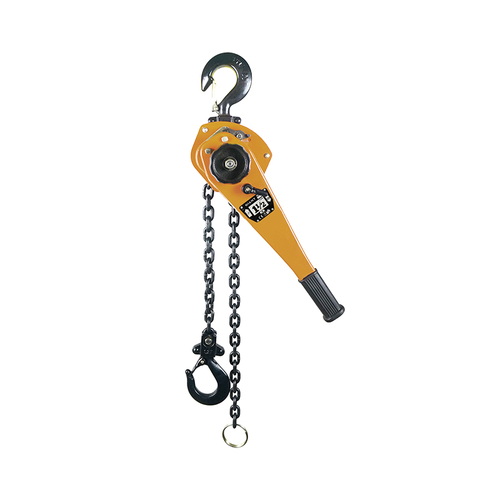
| Polipasto de palanca | Carro liso ligero | 0,5-9 toneladas métricas | Elevaciones cortas, trabajos de tracción y tensión. |
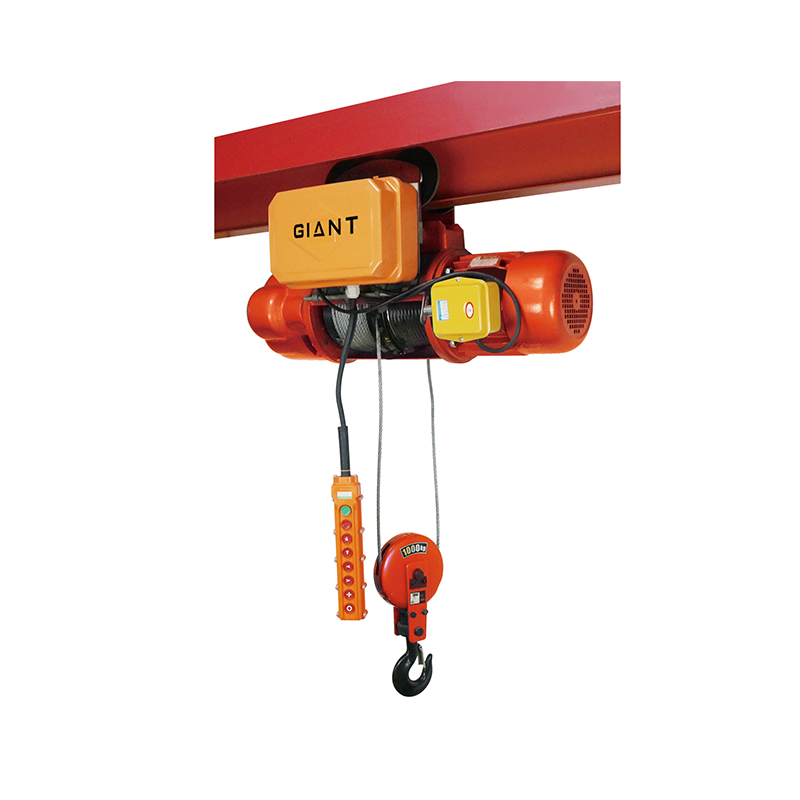
| Polipasto eléctrico de cadena | Carro con engranajes o motorizado | 0,25-10 toneladasoneladas métricas | Líneas de producción, células de montaje, ciclos frecuentes. |
| Polipasto eléctrico de cable | Carro motorizado | 1-20 toneladasoneladas métricas | Fabricación pesada, grúas de proceso, servicio continuo. |
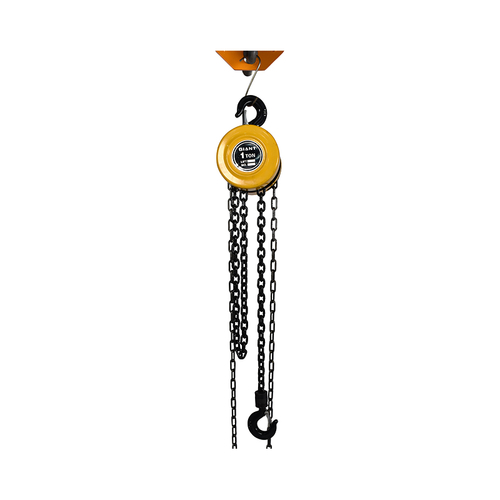
La tabla muestra que el tipo de polipasto define los requisitos del carro más que cualquier otra cosa. Un polipasto de cadena manual de 3 toneladasoneladas funciona bien en un carro simple para recorridos cortos, pero un carro con engranajes hace que el mismo polipasto sea práctico en una pista de 15 m. Los compradores suelen pedir ambos componentes juntos para que el soporte de montaje y la longitud de caída coincidan. El polipasto de cadena de acero de la serie HSZ es una unidad manual típica para trabajos de mantenimiento y almacén de este tipo.
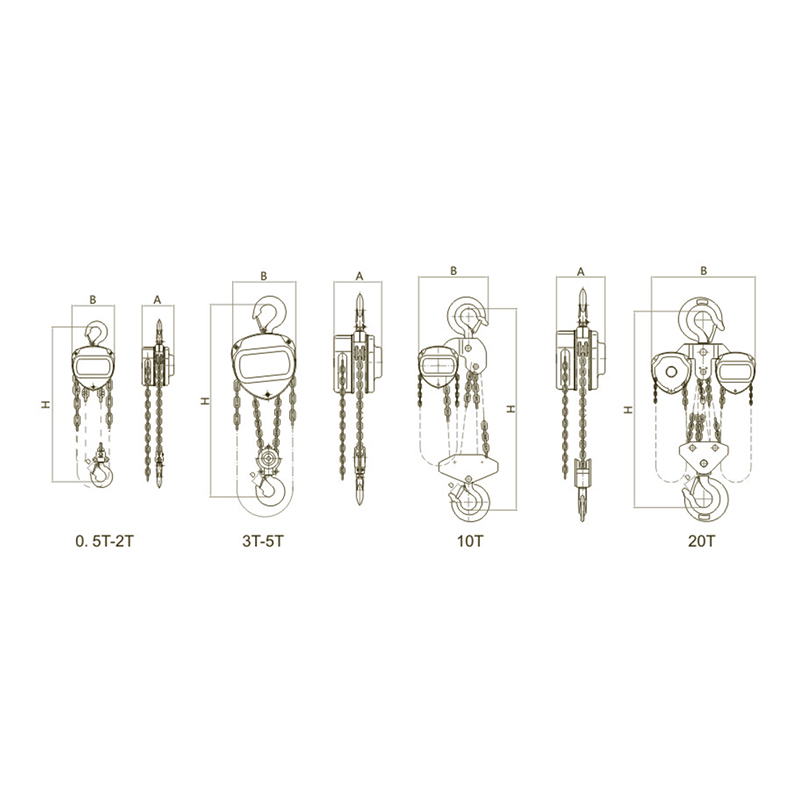 Polipasto de cadena manual serie HSZ con construcción de acero duradero Este polipasto de cadena manual ofrece un cuerpo de acero robusto y ganchos de aleación forjada, que coinciden con la referencia de la tabla para las necesidades típicas de elevación de mantenimiento y almacén de 3 toneladas antes de elegir un carro. Ver producto →
 Cómo hacer coincidir un trole con un polipasto y una viga
La selección del trole comienza con tres números: la capacidad del polipasto, el ancho del ala de la viga y la distancia de recorrido. La capacidad nominal del trole debe igualar o exceder la capacidad del polipasto, porque el trole transporta el polipasto y la carga juntos. La abertura de la rueda debe coincidir con la brida sobre la que se desplaza el carro. La mayoría de los carros para vigas son ajustables en una variedad de anchos de brida, pero el tamaño real de la viga debe medirse antes de realizar el pedido.
El espacio libre es el segundo factor. Un carro simple mantiene el polipasto cerca de la viga y maximiza la altura de elevación utilizable. Un carro con engranajes agrega una rueda de cadena debajo del ala de la viga y un carro motorizado agrega su unidad motriz, lo que aumenta aún más la pérdida de espacio libre. En un edificio de techo bajo, la diferencia entre unidades simples y motorizadas puede costar hasta 300 mm de elevación.
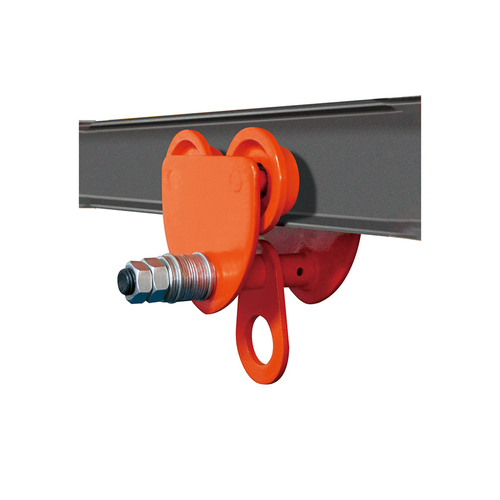
Para un polipasto de cadena manual típico de 5 toneladasoneladasoneladas, un carro de viga simple es la forma más sencilla y económica de agregar desplazamiento horizontal. Los modelos de carro de viga, como la serie GCTD, están diseñados para adaptarse a los anchos de brida de vigas en I comunes mientras soportan toda la carga del polipasto.
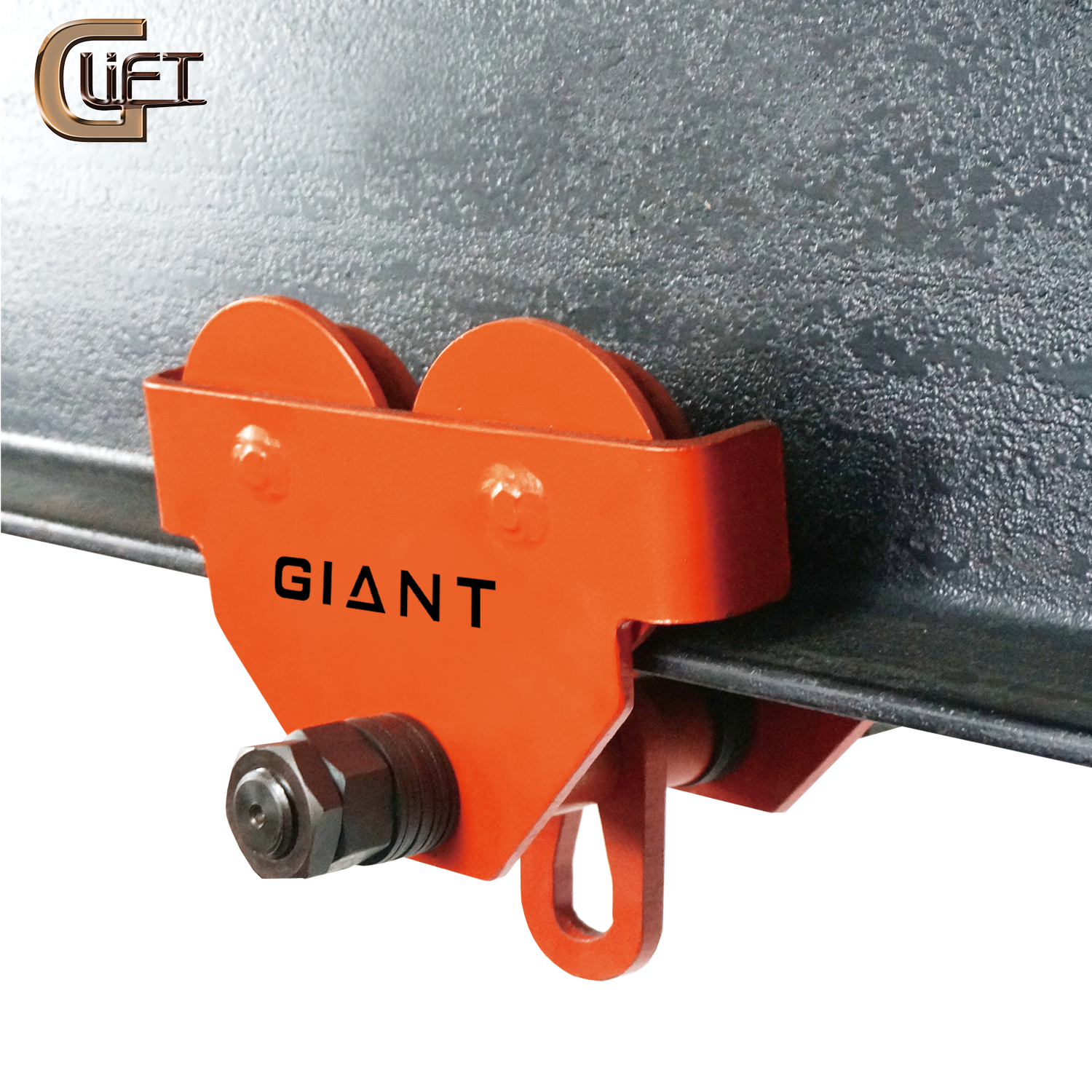 Carro para vigas GCT con ruedas de ajuste de brida ajustable Diseñado para adaptarse a diferentes anchos de vigas en I mediante collares ajustables y rodamientos de bolas sellados, admite desplazamiento manual para un polipasto de 5 toneladas e incluye placas anticaída para un movimiento seguro. Ver producto →
 Rangos de capacidad de un vistazo
La capacidad define la familia a la que pertenecen el polipasto y el trole. Las barras a continuación muestran el rango de carga típico que cubre cada tipo de polipasto en toneladas métricas.
Rango de capacidad típico por tipo de polipasto
Los polipastos de cadena manuales cubren el rango más amplio, desde aproximadamente 0,5 a 20 toneladas métricas, lo que los convierte en los predeterminados para el mantenimiento general. Los polipastos de palanca generalmente se detienen en 9 toneladas porque su estructura compacta está construida para tracción controlada y elevaciones cortas. Los polipastos eléctricos de cadena son más comunes entre 0,25 y 10 toneladas, y muchas instalaciones estandarizan unidades de 1 o 2 toneladas. Los polipastos eléctricos de cable alcanzan el extremo superior con 20 toneladas, razón por la cual aparecen en líneas de fabricación pesada y grúas de proceso. Por lo tanto, el modelo de polipasto influye más en la elección del carro que al revés.
Lectura de clasificaciones de carga y clase de servicio
Dos términos dominan cada especificación de polipasto. El límite de carga de trabajo (WLL) es el peso máximo que se puede aplicar en servicio normal, y la carga de rotura es mucho mayor, normalmente de cuatro a cinco veces la WLL para polipastos de cadena construidos según EN 13157 o ASME B30.16. El trole debe tener una WLL al menos igual a la del polipasto y la viga debe estar clasificada para el peso combinado del polipasto, el trole y la carga máxima.
Los polipastos eléctricos también tienen una clasificación de servicio como ISO M3, M4 o M5. Un polipasto M3 requiere un mantenimiento ocasional, pero el mismo polipasto en una línea de dos turnos se sobrecalentará. La clase de servicio importa tanto como la capacidad nominal.
Cómo el tipo de carro afecta la altura de elevación
La pérdida de altura reduce directamente la distancia entre el gancho y la viga. El siguiente cuadro muestra los valores típicos de espacio libre para troles simples, con engranajes y motorizados a medida que aumenta la capacidad del polipasto.
El espacio libre es la distancia entre el ala inferior de la viga y la parte superior del gancho de carga. Un carro simple pierde el menor espacio libre porque se desplaza directamente sobre la brida inferior. Un carro con engranajes añade una rueda de cadena y un tren de engranajes, que empuja el soporte del polipasto hacia abajo entre 80 y 150 mm, según la capacidad. Un carro motorizado lleva un motor de accionamiento y su penalización de altura aumenta más rápidamente a medida que aumenta el tamaño de la viga. Cuando el espacio libre en el techo es reducido, esta tabla suele ser el factor decisivo entre una unidad simple y una con engranajes.
Si el techo es fijo y la altura de elevación es limitada, la respuesta suele ser un carro simple o un diseño de polipasto con altura libre baja, no una viga de pista más grande.
Velocidad de elevación y productividad
La velocidad sólo importa cuando el polipasto se utilizará muchas veces por turno. Las columnas a continuación comparan velocidades de elevación típicas para tipos de polipastos comunes.
Velocidad de elevación típica por tipo de polipasto (m/min)
Los polipastos manuales de cadena y de palanca son lentos por diseño, con velocidades inferiores a 1 m/min. Los minipolipastos eléctricos alcanzan unos 2,5 m/min, lo que se adapta a cargas ocasionales y movimientos de posicionamiento cortos. Los polipastos eléctricos de cadena estándar funcionan a una velocidad de 4 a 5 m/min, lo suficientemente rápido para una línea de producción sin sacrificar el control. Los polipastos eléctricos de cable funcionan a aproximadamente 8 m/min y los servopolipastos inteligentes pueden modular la velocidad suavemente alrededor de ese nivel. Si se utiliza un polipasto más de 20 veces por turno, una unidad manual más lenta se convierte rápidamente en un cuello de botella.
Seguridad con polipasto y trole
La mayoría de los incidentes con polipastos móviles se deben a tres causas: sobrecarga, mal ajuste de la viga y falta de topes finales. Cada uno de ellos se puede prevenir si la instalación se planifica e inspecciona adecuadamente. Los factores tratados en nuestra guía para elegir el polipasto de cadena adecuado se aplican directamente a este sistema.
- Mida el ala de la viga y verifique su capacidad de carga antes de la instalación; Nunca asuma que una viga en I puede soportar el polipasto más la carga máxima.
- Coloque topes en ambos extremos del carril para que el carro no pueda salirse de la viga.
- Inspeccionar diariamente: la cadena de carga, el freno, los ganchos, la cadena manual y las ruedas del carro.
- Nunca exceda la WLL del componente de menor calificación; un polipasto de 5 toneladas sobre un carro de 3 toneladas es un sistema de 3 toneladas.
- Reemplace la cadena de carga cuando el alargamiento alcance el límite definido por el estándar, comúnmente 2 por ciento para cadenas calibradas.
- Pruebe el freno con una carga nominal después de cualquier reparación y antes de que la unidad vuelva a funcionar.
¿Manual o eléctrico? Una comparación directa
El equipo manual cuesta menos, pesa menos, no necesita cableado y funciona al aire libre en cualquier clima. Los equipos eléctricos levantan más rápido, colocan cargas con mayor precisión y eliminan el esfuerzo físico del trabajo repetitivo. La siguiente comparación cubre los cinco criterios que los compradores consideran con más frecuencia: costo de compra, velocidad de operación, precisión de carga, portabilidad y esfuerzo de servicio.
El gráfico de radar compara un polipasto de cadena manual y uno eléctrico según cinco criterios prácticos. La unidad manual obtiene una puntuación alta en costo de compra y portabilidad, porque no tiene motor, cable ni colgante que comprar y transportar. La unidad eléctrica gana claramente en velocidad de funcionamiento y precisión de carga, por lo que las líneas de montaje rara vez utilizan equipos manuales. El esfuerzo de mantenimiento es cercano entre los dos, ya que un freno manual es más simple que un motor y una caja de cambios, pero ambos necesitan cuidados regulares. Los polígonos sólo se superponen en el centro, por lo que la decisión depende más del perfil de servicio que de la calidad general.
Para una estación de trabajo o una línea de producción que funciona durante todo el día, gana el lado eléctrico del gráfico. Un polipasto eléctrico de cadena compacto como la serie GBD se puede suspender en un carro motorizado y posicionar con un colgante en unos pocos milímetros.
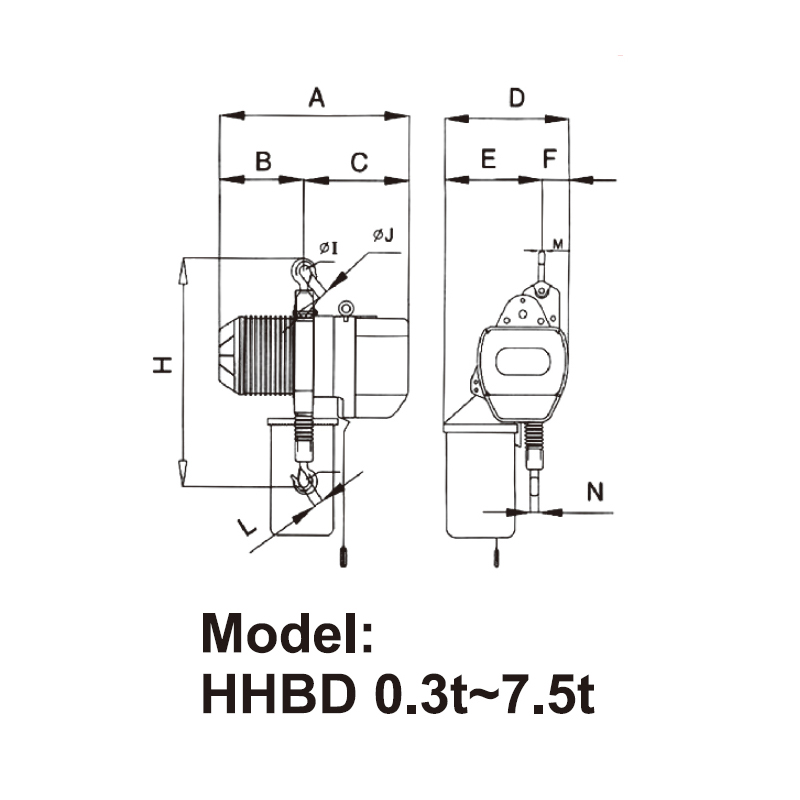 Polipasto de cadena eléctrico compacto HHBD con final de carrera de seguridad Un polipasto eléctrico con carcasa de aluminio con protección de fase inversa, control de 24 V/36 V y frenado magnético lateral se adapta a las líneas de producción de estaciones de trabajo que requieren un posicionamiento preciso controlado por un colgante. Ver producto →
 Donde los sistemas de polipastos y troles se ganan el sustento
Estos sistemas aparecen allí donde una carga tiene que moverse a lo largo de una trayectoria recta o curva de forma regular. La aplicación decide la configuración más que el catálogo.
- Almacenes y centros de distribución: cargue y descargue paletas a lo largo de un muelle, coloque productos sobre la abertura de un estante y alimente estaciones de empaque.
- Talleres de mantenimiento y reparación: levantan motores, cajas de cambios y bombas, luego los trasladan desde la bahía de recepción a un banco o área de lavado.
- Construcción y fabricación de acero: levantar vigas, paneles y elementos prefabricados y atravesarlos a lo largo de una pista temporal.
- Líneas de montaje: entregue piezas a las estaciones de trabajo y cierre la brecha entre estaciones adyacentes sin montacargas.
En la sección de carros del catálogo de productos de elevación está disponible una gama completa de modelos de carros de viga y monorraíl, junto con los polipastos que se montan en ellos.
Mantenimiento que mantiene ambas unidades confiables
Un sistema de polipasto y trole falla gradualmente y una inspección periódica detecta los problemas antes de que se conviertan en fallas. El siguiente cronograma es un mínimo para la mayoría de las plantas de un solo turno.
| Tarea | Intervalo | Que comprobar |
|---|---|---|
| Cadena de carga y ganchos. | Diariamente | Grietas, corrosión, estiramiento de la cadena, apertura de la garganta del gancho. |
| Función de freno | Diariamente | Baje una carga nominal y verifique que se detenga sin deslizarse. |
| Ruedas de carro y placas laterales. | Semanal | Puntos planos, grietas, rotación libre, pasadores sueltos |
| Cadena manual y tren de engranajes. | Mensual | Lubrique la cadena manual, inspeccione la caja de engranajes. |
| Prueba de carga completa | Anualmente o después de la reparación | Verifique el marcado WLL, la retención de los frenos y el desplazamiento suave. |
La lubricación evita que la cadena desgaste los bolsillos de la rueda elevadora. Una capa ligera de aceite para cadenas aplicada cada 40 horas de funcionamiento es suficiente para la mayoría de las unidades manuales, mientras que los polipastos eléctricos deben seguir las especificaciones de lubricante de su manual. Los registros son importantes: feche cada inspección y fírmela para que no se olviden los defectos entre turnos.
El polipasto y el carro no son dos compras separadas sino un sistema de elevación. Comience con la carga máxima y el número de elevaciones por hora, luego confirme el tamaño de la viga, luego seleccione el polipasto y finalmente dimensione el trole para transportar ambos. Un polipasto de 1 tonelada sobre un carro simple de 1 tonelada es una respuesta simple y de bajo costo para un taller de mantenimiento liviano. Un polipasto eléctrico de cable de 5 toneladas sobre un carro motorizado es la respuesta ideal para un piso de fabricación muy ocupado. Cuando los componentes coinciden con la estructura y se inspeccionan según un cronograma fijo, un polipasto móvil es una de las máquinas más confiables de cualquier planta.