英语
英语 西班牙语
西班牙语
Contenido
- 1 ¿Qué determina la duración de un cabrestante eléctrico?
- 2 Vida útil de cada componente principal de un cabrestante eléctrico
- 3 Prácticas de mantenimiento que prolongan directamente la vida útil del cabrestante eléctrico
- 4 Referencia del programa de mantenimiento: intervalos clave para el mantenimiento del cabrestante eléctrico
- 5 Señales de que un cabrestante eléctrico se acerca al final de su vida útil
- 6 Revisión versus reemplazo: cómo decidir al final de la vida útil del componente
- 7 Expectativas de vida útil por tipo de aplicación
- 8 Cómo elegir un cabrestante eléctrico diseñado para una larga vida útil
- 9 Preguntas frecuentes sobre la vida útil del cabrestante eléctrico
- 9.1 ¿El funcionamiento de un cabrestante con carga parcial prolonga significativamente su vida útil?
- 9.2 ¿Cómo afecta el ángulo de la flota de cables de acero a la vida útil del cabrestante y del cable?
- 9.3 ¿Es seguro seguir usando un cabrestante cuyo cable ha sido reemplazado pero el tambor muestra un desgaste visible?
- 9.4 ¿Cuál es el requisito legal para la inspección periódica de los cabrestantes eléctricos?
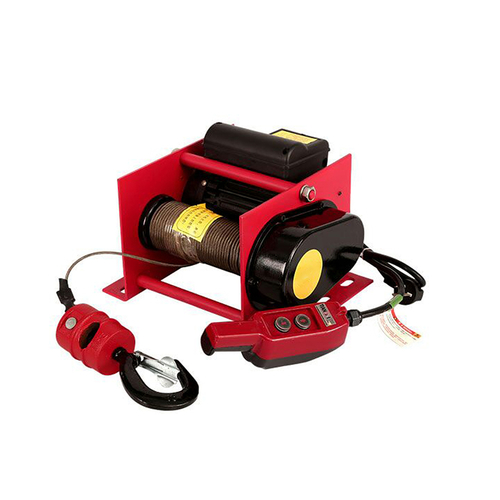
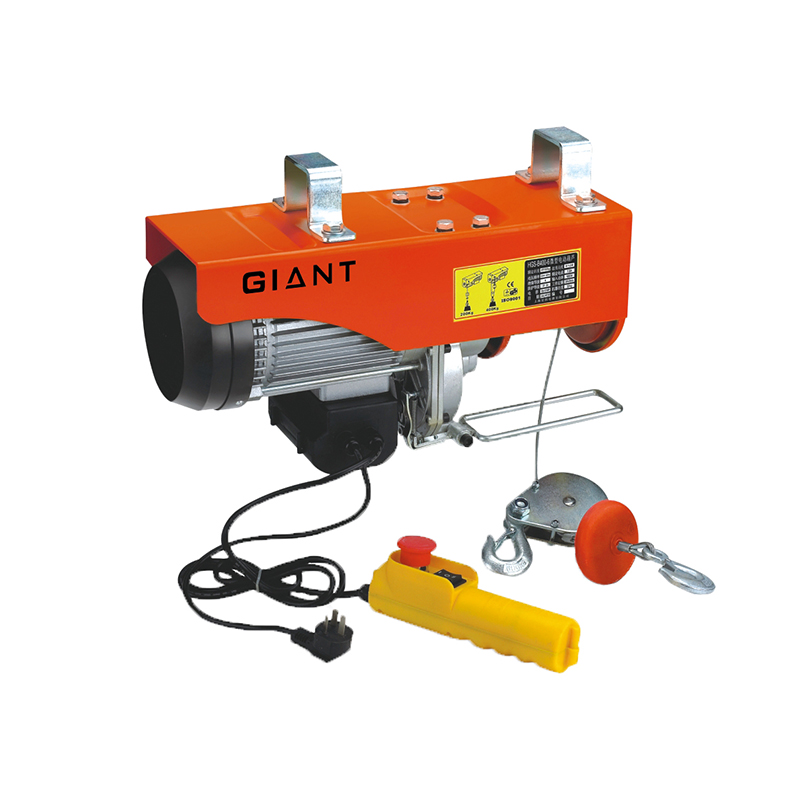
Un bien mantenido Cabrestante eléctrico en uso industrial o comercial tiene una vida útil típica de 10 a 20 años en condiciones normales de funcionamiento. Los cabrestantes ligeros y recreativos utilizados en ciclos de trabajo bajos suelen durar 7 a 15 años . Las unidades industriales de servicio pesado que operan en ciclos de trabajo elevados en entornos exigentes (sitios de construcción, operaciones mineras, aplicaciones marinas) pueden alcanzar una vida útil de más de 20 años cuando se mantienen según las especificaciones del fabricante, o pueden requerir una revisión importante de los componentes entre 8 y 12 años si el mantenimiento es inconsistente o las cargas operativas se encuentran regularmente en el límite superior de la capacidad nominal.
La vida útil no es un número fijo: es el resultado de la interacción entre cuatro variables: Ciclo de trabajo e intensidad de carga. , disciplina de mantenimiento , entorno operativo , y calidad del equipo original . Dos cabrestantes idénticos instalados en diferentes condiciones pueden tener vidas útiles que difieren en un factor de tres o más. Comprender qué impulsa la vida útil es más útil en la práctica que citar una única cifra promedio, porque identifica las acciones específicas que extienden o acortan la vida útil del equipo que ya posee o que está evaluando comprar.
¿Qué determina la duración de un cabrestante eléctrico?
La vida útil de un cabrestante eléctrico es el resultado agregado del desgaste, la fatiga, el estrés térmico y la corrosión que actúan simultáneamente en sus principales subsistemas. Cada subsistema tiene su propia tasa de desgaste y modo de falla característicos, y el componente que falla primero determina el final efectivo de la vida útil de la unidad completa, a menos que ese componente se identifique y reemplace como parte de un programa de mantenimiento proactivo.
Ciclo de trabajo: el determinante de vida más importante
El ciclo de trabajo es la relación entre el tiempo de funcionamiento y el tiempo total, expresado como porcentaje. Un cabrestante con un ciclo de trabajo del 25 % está diseñado para funcionar durante 15 minutos cada hora, con 45 minutos de descanso para disipar el calor. Exceder constantemente el ciclo de trabajo nominal es la causa más común de falla prematura del cabrestante eléctrico. Los devanados del motor se sobrecalientan, el aislamiento se degrada y los lubricantes de los cojinetes se descomponen más rápido de lo que prevé su vida útil. Los estudios de modos de falla de motores eléctricos industriales (Electric Power Research Institute, Root Cause Failure Analysis of AC Motors, referenciado en IEEE Std 1068) identifican Sobrecarga térmica como principal causa de fallo del aislamiento del devanado. , lo que representa aproximadamente el 30 % de todas las fallas de motores en aplicaciones de uso intensivo.
Para un cabrestante utilizado al 50 % del ciclo de trabajo nominal, la vida útil del devanado del motor puede ser dos o tres veces más larga que para la misma unidad operada al 100 % del ciclo de trabajo nominal en las mismas condiciones ambientales. Por lo tanto, respetar la clasificación del ciclo de trabajo publicada es la acción de mayor influencia disponible para extender la vida útil del cabrestante eléctrico.
Intensidad de carga: el efecto de operar por debajo de la capacidad nominal
Los cabrestantes eléctricos están clasificados para una carga de trabajo máxima segura (SWL), que es la carga máxima para la que el cabrestante está diseñado para levantar o tirar continuamente dentro de su ciclo de trabajo. Operar consistentemente entre el 60 y el 80 % de SWL, en lugar de cerca del 100 %, reduce la tensión en el tambor del cable, la caja de cambios, el freno y el marco estructural, extendiendo significativamente la vida útil ante la fatiga. La mayoría de los modelos de fatiga de ingeniería (análisis de curva S-N) muestran que reducir la amplitud de la tensión cíclica en un 20% puede duplicar o triplicar el número de ciclos hasta la falla por fatiga. Para una aplicación de ciclo alto como un cabrestante que se utiliza docenas de veces al día, esta diferencia se agrava rápidamente con el paso de los años de funcionamiento.
Entorno operativo: corrosión, contaminación y temperatura
El entorno operativo afecta directamente la tasa de corrosión, degradación de los sellos, contaminación del lubricante y desgaste de los rodamientos. La siguiente tabla resume el impacto de las condiciones ambientales comunes en la vida útil del cabrestante eléctrico en relación con un entorno interior básico de temperatura controlada.
| Medio ambiente | Factor primario limitante de la vida | Impacto relativo en la vida útil | Medida de mitigación clave |
|---|---|---|---|
| Temperatura interior controlada | Ciclo de trabajo y desgaste mecánico. | Línea de base (vida más larga) | Programa de lubricación estándar; cumplimiento del ciclo de trabajo |
| Exterior, clima templado | Degradación UV de sellos; corrosión leve | Reducción del 10 al 20% respecto al valor inicial | Clasificación de carcasa IP65; cubierta resistente a la intemperie cuando no esté en uso |
| Marino/costero (niebla salada) | Corrosión acelerada de componentes metálicos. | Reducción del 30 al 50% respecto al valor inicial sin protección | Componentes de acero inoxidable o galvanizados en caliente; enjuague frecuente con agua dulce; grasa de grado marino |
| Polvoriento/abrasivo (minería, cantera) | Contaminación de los rodamientos; desgaste del sello; abrasión del cable del tambor | Reducción del 20 al 40% respecto al valor inicial sin protección | envolvente del motor IP66 o IP67; rodamientos sellados; cubiertas antipolvo en el tambor |
| Alta temperatura (fundición, área de hornos) | Degradación acelerada del aislamiento; adelgazamiento del lubricante | Reducción del 25 al 45 % respecto al valor inicial | Clase de aislamiento de alta temperatura (F o H); grasa para altas temperaturas; barreras térmicas |
| Baja temperatura (almacenamiento en frío, Ártico) | Espesamiento del lubricante; fragilidad del sello; condensación | Reducción del 15 al 30 % respecto al valor inicial sin adaptación | Lubricantes para bajas temperaturas; tiras calefactoras en el motor; sellos clasificados en frío |
Estándar de calidad y diseño de equipos
El diseño y la calidad de fabricación del propio cabrestante establecen el límite de vida útil alcanzable. Una unidad construida según los estándares de equipos de elevación de la FEM (Federación Europea de la Manutención), con componentes clasificados adecuadamente y cálculos de vida útil documentados, durará consistentemente más que una unidad de especificación nominal similar construida con estándares de calidad más bajos. Los indicadores clave de calidad del diseño incluyen la clase de aislamiento del motor (Clase F - límite de 155 grados C - o Clase H - límite de 180 grados C - para aplicaciones exigentes), el material de la caja de cambios y la geometría de los dientes de los engranajes, el diseño del freno y la capacidad térmica, y la calidad de los sellos y cojinetes en todas las interfaces giratorias.
Vida útil de cada componente principal de un cabrestante eléctrico
Un cabrestante eléctrico es un sistema de componentes interdependientes, cada uno con su propia vida útil. Comprender la vida útil esperada de los componentes individuales es esencial para planificar una estrategia de mantenimiento y reemplazo que extienda la vida útil general de la unidad sin realizar un mantenimiento excesivo de las piezas de bajo desgaste o un mantenimiento insuficiente de las de alto desgaste.
Motor electrico
El motor suele ser el componente individual más caro y tiene la mayor influencia en la vida útil general del cabrestante. Los motores eléctricos industriales en aplicaciones bien mantenidas tienen una vida útil de 15 a 20 años o 40.000 a 60.000 horas de funcionamiento (fuente: Normas NEMA MG 1 para motores y generadores). Los principales mecanismos de desgaste son la degradación del aislamiento del devanado por ciclos térmicos, el desgaste de los cojinetes por carga rotacional y el desequilibrio del rotor por contaminación o daño físico. La vida útil del aislamiento del devanado se reduce aproximadamente a la mitad por cada aumento de 10 grados C en la temperatura de funcionamiento sostenida por encima del límite de diseño, una relación conocida como regla de Arrhenius para aislamiento eléctrico, a la que se hace referencia en IEC 60034-1 (norma de máquinas eléctricas giratorias). Esta es la razón por la que el cumplimiento del ciclo de trabajo y la gestión de la temperatura ambiente tienen consecuencias tan directas para la vida útil del motor.
Caja de cambios
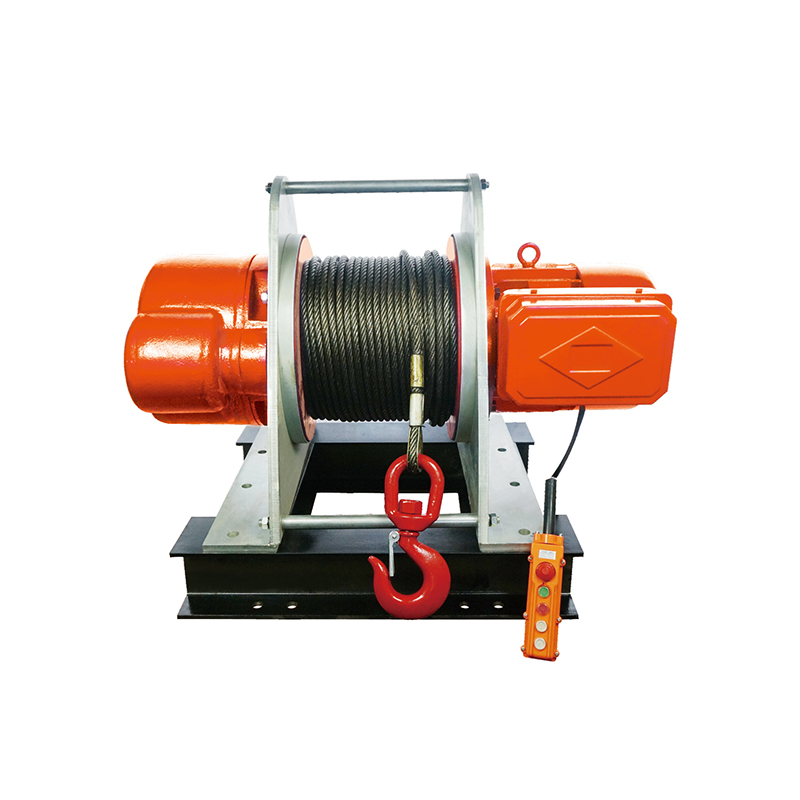
La caja de cambios de un cabrestante eléctrico reduce la salida del motor de alta velocidad a la salida de menor velocidad y mayor par requerida en el tambor del cable. El desgaste de los dientes de los engranajes es el principal mecanismo que limita la vida útil y está fuertemente influenciado por la calidad y consistencia de la lubricación. Una caja de cambios con el aceite especificado correctamente, cambiado en el intervalo recomendado, puede durar toda la vida útil del cabrestante. 15 a 20 años en servicio estándar . El nivel de aceite insuficiente, el aceite contaminado (la entrada de agua es particularmente dañina para el lubricante de engranajes) o la viscosidad del aceite incorrecta para la temperatura de funcionamiento son las causas más comunes de falla prematura de la caja de cambios. Las picaduras y desconchados de los dientes de los engranajes, una vez iniciados, se aceleran rápidamente y normalmente requieren el reemplazo de la caja de cambios o una reconstrucción completa.
Sistema de frenos
Los frenos de cabrestante eléctrico, generalmente frenos de disco o frenos de tambor, aplicados por resorte y liberados eléctricamente, experimentan un desgaste en sus superficies de fricción proporcional al número de ciclos de mantenimiento y descenso de la carga. En una aplicación de ciclo alto (más de 50 elevaciones por día), la vida útil de las pastillas de freno puede ser tan corta como 2 a 5 años antes de que sea necesario volver a revestir o reemplazar. En aplicaciones de ciclo bajo (menos de 10 elevaciones por día), los mismos componentes del freno pueden durar 10 años o más. El ajuste de los frenos para mantener el espacio de aire correcto entre las superficies de fricción es una tarea de mantenimiento crítica: el espacio de aire excesivo aumenta la distancia de frenado y la generación de calor, lo que acelera el desgaste; Un espacio insuficiente corre el riesgo de arrastrar los frenos y sobrecalentarlos incluso cuando el freno está nominalmente liberado.
Cable o cadena de alambre
El cable metálico o cadena de carga es un elemento de desgaste con un cronograma definido de inspección y reemplazo independiente de los componentes mecánicos del propio cabrestante. La vida útil de los cables metálicos en aplicaciones de elevación se rige por normas que incluyen ISO 4309 (Grúas - Cables metálicos - Cuidado y mantenimiento, inspección y descarte) y ASME B30.2, que especifican criterios de descarte basados en el recuento de cables rotos, reducción de diámetro, corrosión y retorcimiento. En aplicaciones típicas de elevación de construcción, el cable metálico requiere reemplazo cada 1 a 3 años dependiendo de la intensidad de uso, la exposición ambiental y la relación del parque de tambores (la relación entre el diámetro del tambor y el diámetro del cable; una relación más alta reduce la fatiga por flexión y extiende la vida útil del cable). La cadena de carga para polipastos de cadena se inspecciona según ASME B30.16 y normalmente se descarta cuando el alargamiento supera el 3 % de una longitud de calibre especificada.
Controles eléctricos y aparamenta
Los contactores de motor, interruptores de límite, relés de sobrecarga y componentes de circuitos de control tienen una vida útil medida en ciclos operativos en lugar de años. Los contactores industriales suelen estar clasificados para De 1 a 3 millones de ciclos de funcionamiento mecánico (fuente: IEC 60947-4-1, Aparamenta y control de baja tensión). En un cabrestante utilizado 100 veces al día con dos operaciones del contactor por ciclo (arranque y parada), un contactor con capacidad nominal de 1 millón de ciclos alcanza su vida útil de diseño en aproximadamente 13 años. En aplicaciones de ciclo superior, el reemplazo del contactor cada 5 a 8 años es un mantenimiento preventivo normal. Los interruptores de límite que controlan los límites de recorrido superior e inferior son componentes críticos para la seguridad que deben inspeccionarse en cada intervalo de servicio periódico.
Rodamientos
Los cojinetes de los elementos rodantes en el motor, el eje de salida de la caja de cambios y los cojinetes de soporte del tambor del cable tienen vidas de diseño calculadas L10 (la vida útil a la que se esperaría que fallara el 10% de una población de cojinetes idénticos) que van desde 20.000 a 100.000 horas dependiendo del tamaño del rodamiento, la capacidad de carga, la velocidad y la lubricación. En la práctica, la mayoría de las fallas de los rodamientos en los cabrestantes industriales son causadas por contaminación, fallas de lubricación o desalineación en lugar de fatiga, todas causas evitables. El monitoreo de la condición a través del análisis de vibraciones puede detectar defectos en desarrollo en los rodamientos de 3 a 6 meses antes de la falla, lo que permite el reemplazo planificado en una parada de mantenimiento programada en lugar de averías no planificadas.
Prácticas de mantenimiento que prolongan directamente la vida útil del cabrestante eléctrico
La diferencia entre un cabrestante que dura 8 años y uno que dura 20 años suele ser la disciplina de mantenimiento más que la calidad inicial del equipo. Las siguientes prácticas de mantenimiento tienen el impacto más directo y documentado en la extensión de la vida útil.
- Lubricación según lo previsto: Caja de cambios oil changes at the manufacturer-specified interval -- typically annually or every 2,000 operating hours for mineral oil, longer for synthetic lubricants -- prevent the gear tooth wear and corrosion that come from degraded or contaminated oil. Bearing regreasing at specified intervals prevents the contamination ingress and lubricant starvation that cause the majority of premature bearing failures.
- Inspección y lubricación de cables metálicos: Inspeccione el cable metálico en cada intervalo de mantenimiento periódico según los criterios ISO 4309 o ASME B30.2. Aplique lubricante para cables metálicos para penetrar el núcleo del cable y reducir la corrosión por fricción entre cables, que es el principal mecanismo de fatiga en cables enrollados multicapa en cabrestantes de alta capacidad.
- Inspección y ajuste de frenos: Verifique el espesor de la superficie de fricción del freno y el ajuste del entrehierro en cada servicio programado. Reemplace los forros de freno antes de que alcancen el espesor de desecho especificado por el fabricante; operar sobre forros desgastados genera un calor excesivo que acelera el desgaste del tambor o disco de freno y transfiere calor a los cojinetes adyacentes.
- Monitoreo del ciclo de trabajo y cumplimiento del período de descanso: Si el cabrestante se utiliza en una aplicación de alta intensidad, controle la temperatura del motor durante el funcionamiento y aplique períodos de descanso antes de que el motor alcance su límite térmico. Algunos cabrestantes modernos incluyen cortacircuitos de protección térmica que desconectan el motor automáticamente cuando la temperatura del devanado alcanza un umbral establecido; estos deben tratarse como límites operativos que hay que respetar, no como molestias que hay que evitar.
- Inspección del tambor de cuerda: Verifique las bridas del tambor, los perfiles de ranura y el mecanismo de ángulo de la flota en cada servicio. Las ranuras desgastadas o dañadas provocan un desgaste anormal del cable y un bobinado multicapa desigual que genera cargas de choque durante las operaciones. El ángulo correcto de la flota (el ángulo entre la cuerda y el eje del tambor) es fundamental para un bobinado multicapa adecuado; un ángulo de flotación excesivo acelera el desgaste del cable y el desgaste de la brida del tambor simultáneamente.
- Inspección del sistema eléctrico: Verifique la condición del contactor, mida la resistencia de los contactos, inspeccione el aislamiento en busca de signos de rastreo o carbonización y pruebe el funcionamiento del interruptor de límite en cada servicio programado. Reemplace los contactores que muestren erosión por arco visible o historial de soldadura por contacto antes de que fallen en servicio, lo que causaría un evento de pérdida de control.
- Inspección estructural y de sujetadores: Revise los pernos de montaje, los puntos de anclaje y las soldaduras del marco estructural para detectar grietas por fatiga o corrosión a intervalos anuales. Los marcos de los equipos de elevación están sujetos a cargas dinámicas que pueden iniciar grietas por fatiga en concentraciones de tensión; la detección temprana mediante inspección visual o pruebas de tintes penetrantes en uniones soldadas críticas previene fallas estructurales catastróficas.
Referencia del programa de mantenimiento: intervalos clave para el mantenimiento del cabrestante eléctrico
La siguiente tabla proporciona un programa de mantenimiento de referencia para un cabrestante eléctrico industrial estándar en servicio de servicio moderado. Ajuste los intervalos según el ciclo de trabajo real, la intensidad de la carga y las condiciones ambientales de la aplicación específica. Las instalaciones con ciclos de trabajo elevados o en entornos hostiles deben utilizar intervalos más cortos.
| Tarea de mantenimiento | Intervalo (servicio estándar) | Intervalo (trabajo pesado/entorno hostil) | Estándar de referencia |
|---|---|---|---|
| Inspección visual de cuerda, ganchos y estructura. | Antes de cada turno | Antes de cada turno | Norma Norma ISO 4309; ASME B30.2 |
| Control y ajuste de la función de freno | Mensual | Semanal | Especificaciones del fabricante; EN 14492-2 |
| Prueba de funcionamiento del interruptor de límite | Mensual | Semanal | ASME B30.16; EN 14492-2 |
| Reengrase de rodamientos | Cada 6 meses o 500 horas de funcionamiento | Cada 3 meses o 250 horas | ISO 281; datos del fabricante del rodamiento |
| Caja de cambios oil analysis and change | Anualmente o 2.000 horas de funcionamiento | Cada 6 meses o 1.000 horas | ISO 4406; especificación del fabricante |
| Inspección de cables según criterios de descarte | Cada 6 meses | Cada 3 meses | Norma Norma ISO 4309; ASME B30.2 |
| Inspección completa del sistema eléctrico. | Anualmente | Cada 6 meses | CEI 60947-4-1; NFPA 70E |
| Inspección de soldaduras estructurales y sujetadores. | Anualmente | Cada 6 meses | EN 14492-2; Norma ISO 9927 |
| Prueba de carga completa y verificación del dispositivo de seguridad. | Anualmente | Anualmente | EN 14492-2; ASME B30.16; requisito regulatorio local |
Señales de que un cabrestante eléctrico se acerca al final de su vida útil
Reconocer los síntomas de desgaste avanzado antes de que produzcan una falla es fundamental para la seguridad y para gestionar la planificación de reemplazo o revisión. Los siguientes indicadores, cuando se observan durante la operación o inspección, indican que el cabrestante requiere una evaluación detallada y probablemente un mantenimiento o reemplazo importante.
- Sobrecalentamiento del motor después de ciclos de trabajo normales: Si el motor se calienta excesivamente al tacto después de operaciones que anteriormente no causaban problemas térmicos, es probable que se degrade el aislamiento del devanado o que se arrastre el cojinete. Las imágenes térmicas del motor durante el funcionamiento pueden identificar puntos calientes anormales antes de que se produzca una falla en el devanado.
- Ruido inusual de la caja de cambios: Las picaduras de los dientes de los engranajes, el desgaste de los cojinetes o la lubricación insuficiente producen sonidos característicos: un clic o golpe regular con una frecuencia relacionada con la velocidad de rotación del engranaje generalmente indica picaduras de los dientes; un ruido sordo o aspereza continuo indica desgaste del rodamiento. Cualquiera de los síntomas justifica una inspección de la caja de cambios antes de un uso intensivo continuo.
- Mayor distancia de frenado del freno o deriva bajo carga: Si el cabrestante se desplaza o se arrastra cuando se suspende una carga con el motor desenergizado, el freno no se mantiene correctamente. Este es un síntoma crítico para la seguridad que requiere una inspección inmediata. Las causas más comunes son el desgaste de los forros de freno, el ajuste incorrecto del entrehierro o la contaminación por aceite de las superficies de fricción.
- Tambaleo o desalineación del tambor del cable: El movimiento lateral del tambor de cable durante el funcionamiento indica desgaste del cojinete o flexión del eje del tambor. Esto hace que el cable se enrolle de manera desigual, generando cargas de choque y acelerando el desgaste del cable y del tambor simultáneamente.
- Vibración del contactor o fallos de control: El comportamiento errático de arranque del motor, las fallas repetidas de control o el ruido audible de los contactores del motor indican un desgaste de los componentes eléctricos que afecta la confiabilidad operativa y puede provocar daños al motor si no se corrige.
- Corrosión visible o grietas en la soldadura en el marco estructural: La corrosión de la superficie que ha progresado hasta la pérdida de secciones en los miembros estructurales, o grietas visibles en los extremos de las soldaduras en los componentes del marco de elevación, indican fatiga estructural o daño por corrosión que requiere una evaluación de ingeniería antes de su uso continuo bajo carga.
- Cable metálico que se acerca a los criterios de descarte: Un cable de acero que muestre alambres rotos que se acerquen a los límites de descarte de ISO 4309 o ASME B30.2, una reducción significativa del diámetro (más del 6 al 8 % por debajo del nominal para la mayoría de las construcciones de cables) o retorcimientos y jaulas de pájaros visibles se debe reemplazar independientemente de la condición general del cabrestante.
Revisión versus reemplazo: cómo decidir al final de la vida útil del componente
Cuando un componente importante del cabrestante eléctrico llega al final de su vida útil, el operador enfrenta la decisión entre reparar o revisar la unidad existente y reemplazarla por una nueva. Esta decisión se toma de manera más efectiva mediante una evaluación estructurada que considere la vida útil restante de otros componentes importantes, el costo de la revisión en relación con el reemplazo y la disponibilidad de repuestos para unidades más antiguas.
La regla del 50% para las decisiones de revisión
Una pauta ampliamente utilizada en la gestión de equipos industriales (a la que se hace referencia en BS EN 13306:2017 Terminología de mantenimiento) es que la revisión o reparación importante se justifica económicamente cuando el costo total de la reparación no excede el 50 % del costo de reemplazo de una unidad nueva equivalente, y cuando a los componentes principales restantes les queda al menos el 50 % de su vida útil restante. Cuando el costo de reparación excede este umbral, o cuando varios componentes principales se acercan simultáneamente al final de su vida útil, el reemplazo de la unidad completa generalmente genera un mejor costo total de propiedad.
Disponibilidad de repuestos para unidades más antiguas
Los cabrestantes eléctricos de más de 15 a 20 años pueden tener una disponibilidad de repuestos limitada o descontinuada, particularmente para los devanados del motor, los componentes del sistema de control y las piezas patentadas de la caja de cambios. La revisión de una unidad para la cual los componentes de reemplazo ya no están disponibles por parte del fabricante original, o están disponibles solo a precios superiores debido al suministro limitado, conlleva un riesgo residual mayor que el reemplazo con una unidad de generación actual para la cual existe una infraestructura de soporte completa. Al evaluar la viabilidad de la revisión, confirme la disponibilidad de piezas y los tiempos de entrega esperados para todos los componentes principales antes de comprometerse con la revisión.
Las unidades modernas ofrecen avances en eficiencia y seguridad
Los cabrestantes eléctricos de la generación actual, como los de la gama disponible de G-Lift, incorporan avances en la eficiencia del motor (las clases de eficiencia del motor IE3 e IE4 según IEC 60034-30-1 pueden reducir el consumo de energía en 15 a 30% en comparación con los motores IE1 más antiguos), control electrónico de velocidad variable, diseños mejorados del sistema de frenos y capacidades mejoradas de monitoreo de seguridad que no están disponibles en unidades más antiguas, independientemente de su condición mecánica. Para aplicaciones donde el costo de la energía, la eficiencia operativa o la capacidad del sistema de seguridad son importantes, el reemplazo con una unidad de generación actual puede brindar valor más allá de la simple comparación del costo de los componentes.
Expectativas de vida útil por tipo de aplicación
La siguiente tabla resume los rangos de vida útil típicos de los cabrestantes eléctricos en categorías de aplicaciones comunes, según las prácticas de mantenimiento estándar de la industria. Estos rangos suponen el cumplimiento del ciclo de trabajo nominal y el mantenimiento programado; la vida real puede ser más corta con un mantenimiento deficiente o más larga con un mantenimiento excepcional y condiciones de operación favorables.
| Solicitud | Ciclo de trabajo típico | Vida útil esperada (bien mantenida) | Factor primario limitante de la vida |
|---|---|---|---|
| Industria ligera/almacén (interior) | 15 a 25% | 15 a 25 años | Desgaste de rodamientos; ciclo de componentes eléctricos |
| Polipasto de obra | 25 a 40% | 8 a 15 años | Desgaste de cuerdas; guarnición del freno; corrosión ambiental |
| Cabrestante de cubierta marina | 20 a 40% | 10 a 18 años con especificación de grado marino | Corrosión por sal; degradación del sello; fatiga de la cuerda |
| Minería/cantera (al aire libre, polvorienta) | 40 a 60% | 8 a 12 años | Contaminación de los rodamientos; abrasión de cuerdas; estrés térmico del motor |
| Montaje de escenarios y entretenimiento | 10 a 20% | 15 a 20 años | Ciclos de componentes eléctricos; sistema de frenos |
| Soporte costa afuera/submarino | 30 a 50% | 8 a 15 años with offshore specification | Corrosión extrema; fatiga de la cuerda; ciclos de alta carga |
Cómo elegir un cabrestante eléctrico diseñado para una larga vida útil
Al especificar o comprar un Cabrestante eléctrico , seleccionar una unidad con los atributos de diseño y construcción que permitan una larga vida útil desde el principio es más rentable que intentar compensar las deficiencias del diseño mediante un mantenimiento intensivo. Los siguientes atributos distinguen los diseños de cabrestantes eléctricos de larga duración de las alternativas básicas.
- Clase de aislamiento del motor F o H: La clase de aislamiento F (límite de 155 grados C) o H (límite de 180 grados C) proporciona un margen térmico por encima de la temperatura de funcionamiento que extiende sustancialmente la vida útil del devanado en comparación con la Clase B inferior (130 grados C) que se encuentra en algunos motores económicos. El costo adicional de un motor con una clase de aislamiento más alta se recupera muchas veces al prolongar su vida útil.
- Clasificación de carcasa del motor IP65 o superior: Un motor con protección IP65 o superior (según IEC 60529) es resistente al polvo y a los chorros de agua, lo que lo hace adecuado para instalación en exteriores y prolonga significativamente la vida útil en todos los entornos excepto en los más extremos.
- Reductor helicoidal o cónico helicoidal: Los perfiles de dientes de engranajes helicoidales distribuyen la carga de manera más uniforme que los engranajes rectos y funcionan de manera más silenciosa, con menor tensión de contacto por unidad de torque transmitido. Las cajas de engranajes cónicos helicoidales en particular proporcionan una transmisión de potencia compacta y eficiente que es estándar en los cabrestantes industriales de calidad.
- Rodamientos sellados o engrasadores accesibles: Rodamientos at all rotating interfaces should either be factory-sealed with lifetime lubrication (for smaller bearings) or equipped with accessible grease fittings that allow scheduled relubrication without disassembly (for larger load-bearing positions). Inaccessible bearings with no provision for maintenance inevitably fail prematurely.
- Dispositivos de seguridad certificados y documentados: Los limitadores de carga mecánicos, la protección contra sobrecarga eléctrica, los interruptores de límite de carrera superior e inferior y los frenos anticaída deben estar certificados según la norma pertinente (EN 14492-2 para los mercados europeos; ASME B30.16 para los mercados norteamericanos) y documentados en el expediente técnico de la unidad. Estas no son características opcionales: son la arquitectura de seguridad que previene eventos de fallas catastróficas que terminan prematuramente la vida útil y crean exposición a responsabilidad.
- Clasificación del ciclo de trabajo publicado a carga completa: Verifique que la clasificación del ciclo de trabajo indicada se aplique a la carga nominal completa, no a una carga reducida o a una temperatura ambiente reducida. Algunas especificaciones citan un ciclo de trabajo al 50% de la carga nominal o a una temperatura ambiente de 25 grados C; en aplicaciones reales a carga completa en temperaturas ambiente más altas, el ciclo de trabajo efectivo en el que el motor no se sobrecalentará puede ser significativamente menor.
- Disponibilidad de repuestos y documentación de servicio: Confirme que el proveedor mantenga un inventario de repuestos para la unidad que está comprando y pueda proporcionar el manual de servicio, los diagramas de cableado y la documentación del programa de mantenimiento necesarios para respaldar el mantenimiento interno o de terceros durante la vida útil esperada del equipo.
Preguntas frecuentes sobre la vida útil del cabrestante eléctrico
¿El funcionamiento de un cabrestante con carga parcial prolonga significativamente su vida útil?
Sí, de manera mensurable. La caja de cambios, el tambor, el bastidor y el cable experimentan una tensión reducida con carga parcial, lo que prolonga su vida útil. El beneficio del motor tiene más matices: con carga parcial, el motor consume menos corriente, genera menos calor y experimenta una menor tensión térmica en el aislamiento del devanado. Sin embargo, con cargas muy ligeras, algunos motores funcionan de manera menos eficiente y el beneficio para la vida útil del devanado del motor es más significativo cuando se reduce de una carga cercana a la nominal a un 60 a 70 % de la carga nominal. Operar entre el 50 y el 70 % de SWL cuando la aplicación lo permite es una estrategia práctica para extender la vida útil del cabrestante en aplicaciones de ciclo alto.
¿Cómo afecta el ángulo de la flota de cables de acero a la vida útil del cabrestante y del cable?
El ángulo de flotación es el ángulo entre la cuerda cuando sale del tambor y una línea perpendicular al eje del tambor. El ángulo de flotación máximo generalmente aceptado para un tambor liso es 2 grados ; para un tambor ranurado normalmente es 1,5 grados (fuente: ISO 4308-1, Grúas y aparatos de elevación - Selección de cables metálicos). Exceder estos límites hace que el cable se enrolle de manera desigual, genera fuerzas laterales en el cable y las pestañas del tambor y acelera tanto el desgaste del alambre exterior del cable como el desgaste de las ranuras del tambor. Mantener el ángulo correcto de la flota mediante la colocación adecuada del cabrestante y la alineación de la polea es una medida sin costo que extiende significativamente la vida útil del cable y el tambor.
¿Es seguro seguir usando un cabrestante cuyo cable ha sido reemplazado pero el tambor muestra un desgaste visible?
Un ingeniero calificado en equipos de elevación debe evaluar el desgaste de las ranuras del tambor que ha reducido la profundidad de las ranuras en más del 10% de la profundidad de la ranura original, o que muestra marcas visibles, grietas o daños en las bridas, antes de continuar con su uso. Un tambor desgastado provoca un desgaste anormal del cable, un enrollado desigual de varias capas y cargas de impacto durante las operaciones que tensionan todos los componentes mecánicos posteriores. El costo de reemplazar un cable en un tambor desgastado (solo para que el nuevo cable se dañe por el mismo desgaste del tambor que destruyó el cable anterior) es un ciclo improductivo. La evaluación del estado del tambor debe ser parte de cada decisión de reemplazo de cable.
¿Cuál es el requisito legal para la inspección periódica de los cabrestantes eléctricos?
Los requisitos legales varían según la jurisdicción y la aplicación. En la Unión Europea, los equipos de elevación se rigen por la Directiva de Maquinaria 2006/42/EC y LOLER (Regulaciones de Operaciones y Equipos de Elevación) en el Reino Unido, que requieren exámenes minuciosos periódicos por parte de una persona competente, generalmente al menos cada 12 meses para equipos de elevación utilizados para levantar personas, y cada 12 meses (o según lo especificado por la persona competente) para otros equipos de elevación. En Estados Unidos, las normas ASME B30 y OSHA 29 CFR 1910.179 establecen requisitos de inspección para equipos de elevación industriales. Confirme siempre los requisitos reglamentarios específicos aplicables a su jurisdicción, tipo de equipo y aplicación antes de establecer un programa de inspección.